

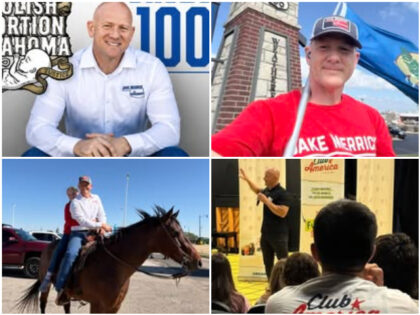
Oklahoma’s gubernatorial race just handed the 2A community a fresh data point on how immigration policy and gun rights intersect. Jake Merrick’s pledge to rein in H-1B visas isn’t merely an economic argument; it’s a recognition that an influx of temporary, high-skill foreign workers can tilt state demographics and voting patterns in ways that eventually shape everything from concealed-carry reciprocity to the makeup of the state supreme court. When the people writing the software or running the refineries also become the swing voters who decide whether constitutional carry stays or goes, the visa spigot suddenly matters to gun owners who rarely think about labor economics.
The deeper implication is that Merrick is connecting the dots most pro-2A voices still treat as separate silos. H-1B expansion has historically tracked with blue-city growth corridors, and those same corridors reliably produce the urban legislators who later push magazine bans, red-flag laws, and “assault-weapon” restrictions. By promising to keep Oklahoma’s job market from becoming another visa-driven population pump, Merrick is indirectly protecting the cultural and electoral firewall that has kept the state’s gun laws among the most permissive in the nation. For Second Amendment advocates, the lesson is simple: if you care about who writes the next carry bill, you may also need to care about who holds the H-1B visas that decide who shows up to vote on it.


