

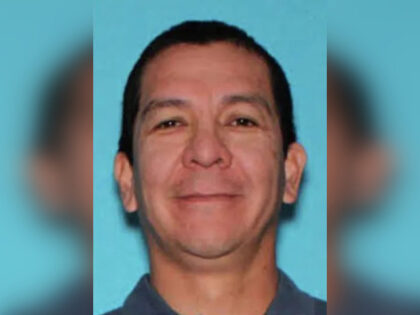
In Midland, Texas, a man already wanted for trying to murder a police officer opened fire in a public setting, killing one person and wounding ten others before the threat was stopped. The fact that this shooter was actively being sought for an earlier, targeted attack on law enforcement underscores a recurring pattern: when violent predators ignore existing laws and warrants, only an armed response—by citizens or responding officers—can interrupt the carnage. For the 2A community this is not an abstract debate; it is a reminder that “background checks” and restraining orders are only as good as the person willing to obey them, and that the right to keep and bear arms remains the final backstop when the system fails.
The broader implication is that every new restriction floated after such attacks—magazine limits, “red flag” expansions, or permit-to-purchase schemes—would have done nothing to disarm this particular suspect, who was already a wanted felon. Law-abiding carriers, by contrast, represent the distributed deterrent that statistically ends more active shootings than any other factor once police arrive. Rather than reflexively blaming the tool, Midland’s tragedy spotlights the need to harden soft targets, prosecute violent offenders swiftly, and preserve the ability of responsible citizens to meet force with force when seconds count.


