

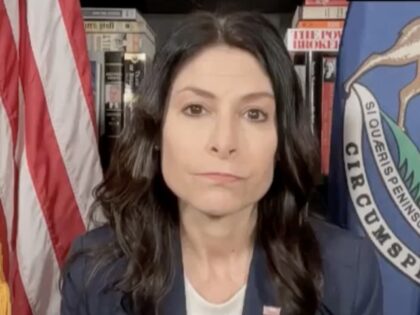
Michigan Attorney General Dana Nessel’s public rebuke of Senate hopeful Abdul El-Sayed is more than a campaign spat—it’s a window into how the Democratic Party’s internal foreign-policy fractures are bleeding into domestic politics, including gun rights. El-Sayed’s sharp criticism of Israel and AIPAC has drawn fire from party elders who fear alienating donors and suburban voters, yet the same progressive wing he represents has long pushed policies that treat the Second Amendment as an afterthought at best and a public-health menace at worst. When a candidate’s worldview frames one constitutionally protected right as negotiable, it rarely stops at the border; the same logic often migrates to magazine bans, red-flag laws, and “assault-weapon” restrictions at home.
For the 2A community, the episode is a reminder that candidates who traffic in identity-driven foreign-policy rhetoric rarely compartmentalize their skepticism of individual rights. El-Sayed’s base is already on record supporting sweeping gun-control measures in Michigan’s legislature, and his national-security talking points dovetail with the same “collective-good-over-individual-liberty” framework that animates gun-confiscation proposals. Meanwhile, Nessel’s call for rhetorical moderation may slow El-Sayed’s primary momentum, but it won’t erase the fact that the party’s progressive lane is increasingly defined by single-issue litmus tests that leave little room for pro-Second-Amendment dissenters.
The takeaway is strategic as much as ideological: gun owners tracking Michigan’s 2026 Senate race should watch not only where candidates stand on the right to keep and bear arms, but also how they justify limiting other constitutional protections. A politician willing to scold an ally for criticizing a foreign lobbying group may soon find it equally convenient to scold law-abiding citizens for defending their rifles.


