

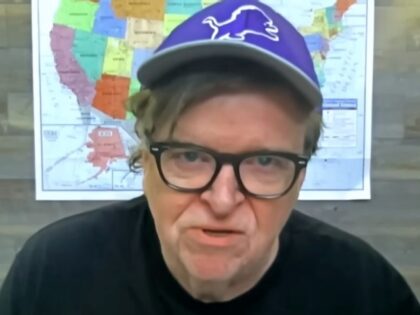
Michael Moore’s theatrical plea on CNN for progressives to “overthrow” the Democratic establishment is less a policy debate than a power struggle inside a party that already treats the Second Amendment as a bargaining chip. By framing party “hacks” as obstacles to a purer progressive agenda, Moore inadvertently spotlights how fragile the coalition is that currently keeps national gun-control efforts at bay. Moderate Democrats in purple districts have quietly slowed magazine bans and red-flag laws; if they are replaced by candidates who view the right to keep and bear arms as an embarrassing relic, the legislative math shifts overnight.
For the 2A community, the real takeaway is that electoral energy on the left is moving away from incremental measures and toward outright prohibitionist rhetoric. Moore’s rhetoric energizes donors and activists who see Australia-style confiscation as the endgame, not a fringe fantasy. That shift matters in primaries where turnout is low and small-dollar money can topple an otherwise safe incumbent. Gun owners who assume today’s Democratic majority is as moderate as yesterday’s are ignoring the internal polling that shows younger voters favoring “assault-weapon” bans by margins once reserved for universal background checks.
The practical implication is straightforward: every House and Senate contest now doubles as a referendum on whether the Second Amendment survives the next wave of progressive primary challenges. Rather than waiting for Moore’s wished-for purge to materialize, pro-2A voters should treat every open primary as an opportunity to keep moderates in office or replace anti-gun Democrats with candidates who treat the right to arms as non-negotiable. The culture war Moore is trying to ignite will be decided not on CNN panels but in state legislative maps and low-turnout primaries most gun owners still overlook.


