

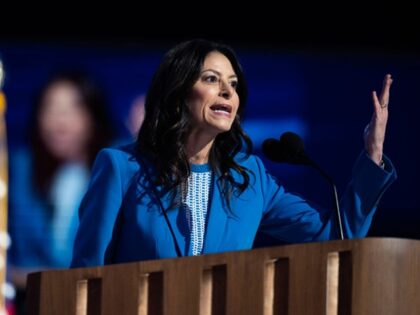
Michigan Attorney General Dana Nessel’s claim that Abdul El-Sayed’s remarks amount to “perhaps I deserve to be threatened” is more than a partisan spat—it’s a window into how the political class weaponizes the language of safety to sidestep accountability. When a sitting AG frames a fellow Democrat’s pushback on convention security as an invitation to violence, she’s not defending the rule of law; she’s telegraphing that any dissent from the approved script can be recast as a threat to “our democracy.” For Second Amendment supporters, the subtext is unmistakable: the same officials who reflexively blame lawfully owned firearms for every act of political intimidation are perfectly willing to stretch the definition of “threat” until it covers policy disagreements they’d rather not debate.
The deeper irony is that Nessel’s rhetoric arrives just as Michigan Democrats are tightening the state’s already restrictive carry laws and pushing “red-flag” expansions that bypass due process. If the party’s own internal disagreements are now being portrayed as existential dangers requiring preemptive suppression, the logical next step is to treat every permit holder as a presumptive risk. That mindset turns the right to keep and bear arms from a constitutional safeguard into a conditional privilege doled out by whichever AG happens to hold office—an outcome that would chill not only political speech but the very self-defense culture the 2A community exists to protect.
What’s at stake isn’t just one Senate primary; it’s whether the Second Amendment remains a check on government power or becomes another lever the administrative state can pull whenever dissent becomes inconvenient. Nessel’s framing suggests the latter, and the 2A community should treat it as the warning shot it is.


