

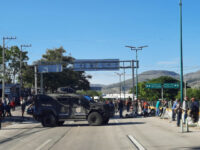
Mexico’s decision to finally arrest former Guerrero governor Ángel Aguirre over the 2014 Ayotzinapa disappearances is less about belated justice and more about the state’s chronic inability—or unwillingness—to secure its own citizens. Forty-three students vanished after local police handed them to a drug gang, and the official story has always been that the federal government was blindsided. Now the same government is admitting the cover-up reached the governor’s office, which tells you the problem wasn’t a few rogue cops; it was the entire chain of command that left ordinary Mexicans defenseless against well-armed cartels.
For the 2A community the lesson is brutally simple: when a sovereign state cannot—or will not—protect its people, the moral case for an armed citizenry becomes self-evident. Mexico’s near-total prohibition on civilian carry has produced a de-facto monopoly of force enjoyed by both criminals and corrupt officials, while law-abiding families are left to calculate whether the next knock on the door will be from police or from sicarios. The Ayotzinapa case is merely the most photogenic example; thousands of similar atrocities never make the international press because the victims cannot shoot back.
The ripple effects matter north of the border as well. Cartels armed with black-market full-auto weapons continue to treat the U.S. as both a source of guns and a sanctuary once the violence spills across. Every time Mexico’s political class doubles down on “gun control” while its own agents sell confiscated firearms to the cartels, it underscores why American gun owners treat “common-sense” restrictions with suspicion: the data show that disarmament correlates with impunity, not safety. Until Mexico confronts the corruption that let Aguirre’s administration bury the truth for eight years, the body count—and the cautionary tale for the rest of us—will keep growing.


