

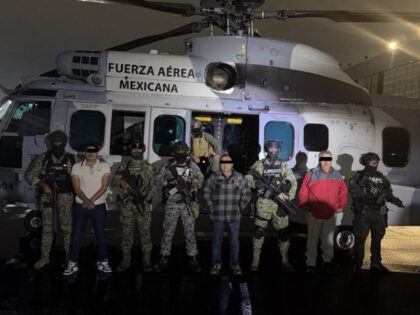
The arrest of a high-ranking United Cartels figure who once wore a Michoacán state-police badge is a textbook reminder that badges and borders do not magically disarm criminal networks. When the Mexican military rolled up this ex-official, the cartel’s response was to torch an entire town—an unmistakable demonstration that firepower, not paperwork, decides who controls territory. For American gun owners, the lesson is blunt: the same groups that can intimidate an entire municipality south of the Rio Grande are already moving product and enforcers north, and they do not pause at checkpoints to fill out Form 4473s.
What makes the episode especially galling is the cartel’s long-running strategy of infiltrating the very institutions meant to restrain them. By embedding operatives inside police departments, the United Cartels gained both intelligence and plausible deniability—advantages no amount of “universal background checks” can blunt. The 2A community has argued for years that law-abiding citizens, not government agencies, are the ultimate backstop against lawlessness; Michoacán just supplied graphic evidence that when the state is porous, only an armed populace can mount a credible deterrent.
The broader implication is strategic, not partisan. Cartels measure success in territory and intimidation, not in statutes. If they can burn a town in retaliation for losing one lieutenant, they will not hesitate to exploit American cities where self-defense is either bureaucratically delayed or culturally discouraged. The right to keep and bear arms is therefore not an abstract tradition; it is the practical counterweight to organizations that already treat government monopoly on force as a suggestion rather than a reality.


