

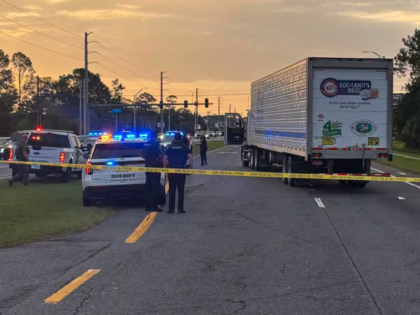
A Mexican national’s fatal dash into Florida traffic after fleeing ICE agents underscores a grim reality: when enforcement is inconsistent and borders remain porous, the human cost escalates far beyond the individual. The man’s decision to bolt rather than comply turned a routine immigration stop into a tragedy, reminding us that weak interior enforcement invites desperate, reckless behavior that endangers everyone on the road. For the 2A community, the lesson is clear—secure borders and consistent rule of law are the first line of defense for law-abiding citizens who rely on the right to keep and bear arms; when government fails at its core duty to control entry and remove violators, the burden of personal security shifts even more heavily onto the individual.
This incident also exposes the downstream effects of sanctuary policies and catch-and-release practices that embolden flight from lawful authority. When ICE operations are undermined by local non-cooperation or political posturing, agents must pursue higher-risk encounters, and the public absorbs the collateral damage. Firearm owners understand this dynamic instinctively: an armed citizenry is only as safe as the legal framework that keeps violent actors and repeat offenders off the streets. The Florida case is a microcosm of a national pattern where lax immigration control correlates with spikes in crime and disorder, reinforcing why millions of Americans view the Second Amendment not as a hobby but as the practical backstop when government enforcement falters.
Ultimately, the story should prompt 2A advocates to double down on demanding accountability at every level—federal, state, and local—rather than accepting piecemeal fixes that leave enforcement gaps. A nation that cannot or will not remove those who violate its immigration laws signals weakness that ripples outward, affecting everything from street crime to the perceived legitimacy of self-defense rights. The right to bear arms exists precisely because citizens recognize that safety is ultimately their responsibility; stories like this one simply illustrate why that responsibility cannot be outsourced to a system unwilling to do its job.


