

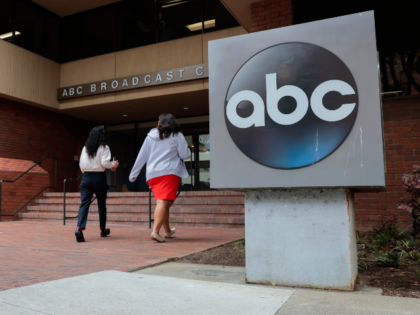
The Media Research Center’s filing against ABC isn’t just another media-bias complaint—it’s a direct shot across the bow at the networks that still enjoy the government-granted privilege of free spectrum while behaving like partisan cable outlets. When a legacy broadcaster is accused of electioneering, excusing political violence, and laundering activist talking points as straight news, the stakes aren’t limited to ratings or reputation; they touch the very premise that ABC, CBS, and NBC deserve special access to the public airwaves. For Second Amendment supporters who have watched these same outlets frame every defensive-gun-use story as “another mass shooting” and every shall-issue reform as “blood on the streets,” the MRC’s demand that ABC either drop the pretense or drop the license feels like long-overdue accountability rather than abstract media criticism.
What makes the filing especially relevant to the gun-rights community is the pattern it documents: repeated minimization of Antifa-linked riots, selective omission of defensive gun uses, and a steady drumbeat of “assault weapon” hyperbole timed to legislative pushes. Those distortions don’t stay in the studio; they migrate into classrooms, corporate boardrooms, and the briefing books of lawmakers who still cite network evening news as neutral ground truth. If ABC is effectively operating as an unpaid arm of one political coalition, the 2A argument is simple—why should that coalition enjoy a taxpayer-subsidized megaphone while independent creators and alternative platforms fight for every eyeball? The MRC remedy—treat them like the cable competitors they emulate—would at least level the informational playing field that gun owners have been climbing for two decades.
The deeper implication is structural. Broadcast licenses were justified on the theory that spectrum is scarce and therefore must serve the entire public, not one faction’s narrative. Once that public-trust standard is openly abandoned, the constitutional case for stripping the license becomes harder to dismiss as censorship; it starts to look like basic hygiene for a republic that still pretends to prize viewpoint neutrality on its most powerful remaining over-the-air outlets. Gun owners who have spent years building parallel media ecosystems now have a concrete policy lever: insist that any network seeking free spectrum actually meets the non-partisan obligation it signed up for, or get out of the way and let the market allocate influence the same way it allocates shelf space for firearms and ammunition.


