

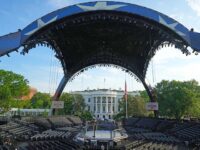
The comparison of a UFC exhibition at the White House to historical lynchings isn’t just sloppy rhetoric—it’s a deliberate attempt to smear any public display of physical prowess or self-defense culture by associating it with America’s darkest chapters. When a popular historian equates two fighters testing their skills under agreed-upon rules with mobs stringing up victims outside the law, the goal isn’t historical clarity; it’s to delegitimize the very idea that Americans should celebrate strength, resilience, and the controlled application of force. For the 2A community this matters because the same rhetorical sleight-of-hand is routinely used to paint lawful gun owners, concealed-carry holders, and anyone who trains with firearms as modern-day threats rather than citizens exercising a constitutional right.
The deeper implication is that once “violence” is stripped of all context—rule of law, consent, training, purpose—any demonstration of defensive capability can be branded as barbaric. That framing conveniently ignores why the Second Amendment exists in the first place: to ensure citizens retain the means and mindset to resist both criminal violence and government overreach. If even a sporting event inside the executive mansion can be recast as a lynching, then training at a range, carrying for personal protection, or advocating for shall-issue permitting suddenly becomes fair game for the same moral panic.
Ultimately the historian’s overreach reveals more about the cultural fault lines than about either UFC or lynching. It signals an ongoing effort to pathologize individual agency and armed self-reliance while shielding actual institutional failures that historically enabled mob violence. The 2A community should treat this not as an isolated gaffe but as another data point in a larger campaign to make the armed citizen synonymous with the lawless mob—an inversion that only strengthens the case for remaining vigilant, vocal, and unapologetically pro-Second Amendment.


