

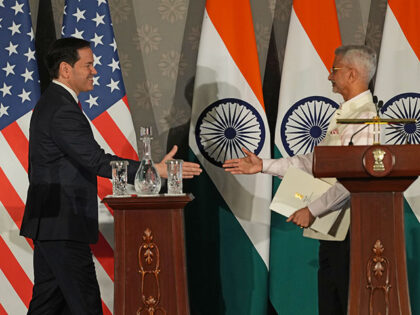
Secretary of State Marco Rubio’s blunt message to Indian officials—that U.S. migration policy exists to serve American citizens first—lands like a long-overdue course correction after decades of elite-driven open borders. By pushing back against complaints that tighter rules will limit H-1B visas, student admissions, and chain-migration pathways, Rubio is signaling that the Trump administration intends to treat immigration as a privilege calibrated to national interest rather than an entitlement program for the world. For the firearms community this matters because rapid demographic replacement has repeatedly correlated with stricter gun-control pushes in states that once leaned pro-2A; preserving an electorate that still values individual liberty and self-defense is therefore inseparable from preserving the right to keep and bear arms.
The practical effect of Rubio’s stance is a slower influx of populations whose home-country political cultures often default to heavy state control of firearms and speech. Data from states such as California and New York already show that large-scale importation of voters from low-trust, high-regulation societies accelerates support for “assault-weapon” bans, magazine restrictions, and red-flag laws. By contrast, a migration filter that prioritizes skills, assimilation, and cultural compatibility can help stabilize the electoral map in battleground states where constitutional carry and shall-issue permitting still hang in the balance. Rubio’s rhetoric also undercuts the corporate lobby that profits from cheap, indentured tech labor while simultaneously bankrolling gun-control PACs—an irony the 2A community has watched for years.
Longer term, the policy shift Rubio previewed could recalibrate the Overton window on both immigration and gun rights. If the administration succeeds in tying legal status to genuine Americanization rather than globalist labor arbitrage, future Congresses will face less pressure to import voters who view the Second Amendment as an eccentric American relic. That outcome would not only protect domestic manufacturing jobs that sustain the firearms ecosystem; it would also safeguard the cultural preconditions—individual responsibility, frontier ethos, distrust of centralized power—that make robust gun ownership politically viable. In short, a pro-American immigration filter is upstream of every range, gun shop, and constitutional-carry bill still standing.


