

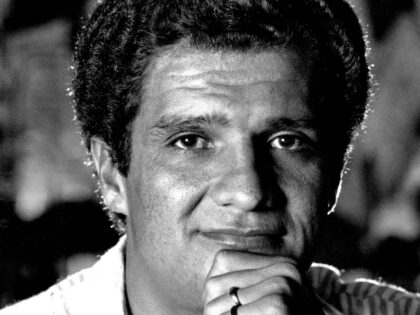
Marco Rubio’s decision to sanction more than one hundred Nicaraguan officials following the death of Brooklyn Rivera is more than a diplomatic rebuke—it is a reminder that authoritarian regimes still view political opponents as disposable. Rivera, an elderly indigenous leader and longtime critic of Daniel Ortega’s socialist government, died in custody after years of harassment, and the swift U.S. response signals that Washington is willing to use financial pressure where bullets once flew. For the firearms community, the episode underscores a recurring pattern: when citizens are stripped of the means to resist, governments feel emboldened to treat dissent as a capital offense.
The sanctions themselves—freezing assets and barring travel—may seem distant from Second Amendment debates, yet they highlight why an armed populace remains the ultimate check on tyranny. Nicaragua’s slide from revolutionary promise to one-party kleptocracy began with the systematic disarmament of rural communities and the consolidation of military power in Ortega’s inner circle. Once the people could no longer mount credible resistance, the regime’s security forces operated with impunity, a lesson not lost on American gun owners watching similar rhetoric about “assault weapons” and “red flag” laws gain traction at home.
Beyond symbolism, the move also carries practical implications for anyone who values the right to keep and bear arms. By targeting the financial lifelines of Ortega’s enforcers, the United States is demonstrating that economic isolation can substitute for direct intervention, but only when paired with a credible deterrent at home. If American citizens ever face comparable overreach, the ability to own effective firearms ensures that any would-be strongman must calculate the cost of confiscation in blood as well as ballots. In that sense, Rubio’s sanctions are less an end in themselves than a warning flare: liberty survives where the people remain both vigilant and armed.


