

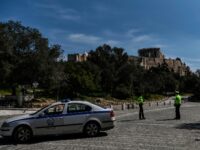
In the shadow of the Acropolis, where ancient marble still whispers about the birth of Western civilization, a single blade turned tourists into targets and reminded the world that evil doesn’t respect UNESCO sites or selfie sticks. The attacker moved with the cold efficiency of someone who had already decided the cost of human life was negotiable, and the only thing standing between him and more victims was the distance he could cover before police arrived. For the 2A community this isn’t just another overseas crime story; it’s a live demonstration of what happens when the only people legally allowed to carry tools of defense are the ones already wearing uniforms and arriving minutes too late.
Greece’s strict carry laws leave both citizens and visitors with nothing sharper than a pocketknife and nothing faster than a prayer, yet the same laws did nothing to slow the assailant who chose his moment in one of the most policed tourist zones in Europe. The result is a familiar pattern: disarmed populations forced into the role of spectators while predators treat public spaces like target-rich environments. Every time this script plays out, the data reinforces what American gun owners have long argued—criminals ignore statutes, but law-abiding people obey them, and the seconds between the first thrust of a knife and the arrival of help are measured in lives, not statutes.
For those who value the right to keep and bear arms, the Athens attack is less about Greek policy than about a universal truth: when seconds count, the nearest armed citizen is often the only responder who can change the outcome. The tourists who survived did so because the attacker eventually stopped, not because any legal mechanism prevented him from continuing. That distinction matters when American debates over permitless carry or constitutional carry are dismissed as paranoia; the marble steps of the Acropolis just offered another data point that the right to effective self-defense isn’t a cultural quirk—it’s a survival strategy.


