

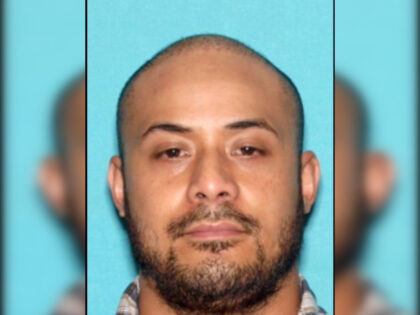
A man’s arrest at Trump’s Rancho Palos Verdes golf club is already being spun as a cautionary tale about “high-powered firearms” and body armor, yet the facts on the table so far are thin. The suspect was detained on the property, and a later search of his residence turned up protective gear and legally owned rifles—items millions of law-abiding Americans keep without incident. What the headlines omit is any evidence that the firearms were illegal, modified, or connected to a plot; instead, the story leans on loaded phrases that paint ordinary Second-Amendment tools as inherently menacing.
For the 2A community, the episode is a reminder that the optics of enforcement matter as much as the letter of the law. When police or media describe standard-capacity magazines or common semi-automatic rifles as “high-powered,” they reinforce a narrative that justifies future restrictions on hardware most owners use for sport and self-defense. Body armor, likewise, remains legal in 49 states precisely because it is passive protection, not a weapon; conflating it with offensive capability muddies the distinction between preparation and aggression.
The larger implication is that every arrest involving guns will be auditioned for the next round of legislation or litigation. Responsible owners should therefore document compliance, maintain clean histories, and push back—through lawsuits, legislation, and public comment—whenever authorities or outlets equate lawful possession with latent threat. Otherwise, the presumption of innocence shrinks each time a golf-club guest with a rifle safe makes the evening news.


