

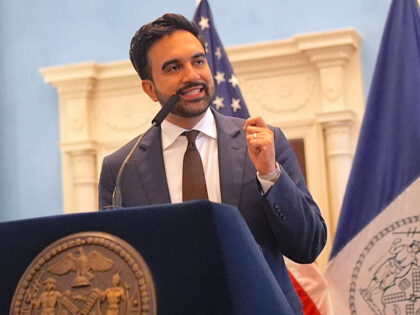
In the wake of the Supreme Court’s decision to let the Trump administration terminate Temporary Protected Status for thousands of Haitian and Syrian nationals, New York City Mayor Zohran Mamdani has pledged to shield those migrants from federal enforcement, framing the ruling as an unacceptable assault on vulnerable communities. While the mayor’s rhetoric centers on humanitarian concerns, the practical effect is a renewed push to keep large numbers of individuals—many from regions with documented histories of gang violence, political instability, and weak institutional controls—inside major U.S. cities even after their temporary legal status has expired. For the firearms community this matters because sanctuary-style resistance at the local level has repeatedly correlated with softer enforcement of both immigration and gun laws, creating overlapping populations that are harder to vet and easier to arm through secondary or illegal markets.
The deeper implication is that mayors who openly nullify federal immigration rulings are signaling a broader willingness to pick and choose which federal statutes they will honor, a posture that rarely stops at border policy. When cities already struggle to prosecute straw purchasers, illegal possession cases, and prohibited-person violations, adding another layer of non-cooperation with federal authorities only compounds the problem. Law-abiding gun owners, who already navigate an expanding thicket of state and local restrictions, now face the prospect of jurisdictions that treat immigration status as optional while simultaneously tightening the rules on who may keep and bear arms—effectively disarming citizens while shielding non-citizens from removal.
This episode also underscores a larger pattern: progressive municipal leaders are increasingly comfortable using the language of “protection” to justify policies that erode the rule of law, and the 2A community has every reason to treat such rhetoric as a warning rather than a reassurance. When enforcement of immigration statutes is portrayed as cruelty, enforcement of firearms statutes is often next in line for the same treatment. The result is a two-tier system in which citizens who follow the rules watch their rights narrowed while local officials shield populations whose criminal or immigration histories would otherwise trigger federal prohibitions on firearm possession.


