

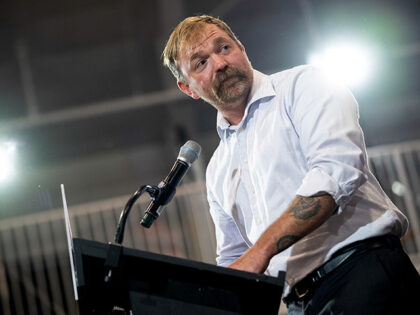
Maine Democrats’ decision to convene a nominating convention rather than hold a special primary to replace Graham Platner is more than procedural housekeeping—it’s a calculated move to control the narrative and the candidate. Platner’s rapid implosion over past statements and associations handed the party an unexpected opening, and the convention route lets insiders hand-pick a replacement without exposing the process to the unpredictable scrutiny of rank-and-file voters. For gun owners watching from across the country, the maneuver is a familiar one: when a candidate’s baggage threatens to make Second Amendment issues a liability, party machinery prefers a closed-door reset over an open contest that might force a clearer debate on gun rights.
The timing matters. With the general election still months away, Democrats are betting they can install a more disciplined messenger who can pivot away from Platner’s liabilities while still advancing the same policy agenda that includes expanded background checks, assault-weapon restrictions, and red-flag laws. That agenda remains unchanged even if the face delivering it does not. Maine’s rural counties and working-class voters have historically shown skepticism toward further gun-control measures, yet the convention process reduces the chance that a more moderate or pro-2A Democrat surfaces to challenge the party line. The result is a tighter, more uniform message that treats gun ownership as a problem to be managed rather than a constitutional right to be protected.
For the 2A community, the episode is a reminder that electoral surprises can cut both ways. Platner’s collapse created an opening, but the party’s swift institutional response shows how quickly the machinery can close ranks. Gun-rights advocates should treat this as an opportunity to press every candidate—Democrat or Republican—on where they stand on permitting, magazine capacity, and due-process protections before the convention’s choice is locked in. The faster the questions are asked, the harder it becomes for the eventual nominee to hide behind vague assurances or procedural excuses.


