

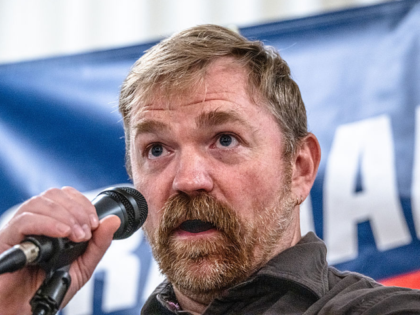
Maine Democrats are now openly admitting what many observers suspected all along: their decision to sideline Graham Platner wasn’t about new revelations but about cold polling arithmetic. State Rep. Chris Kessler’s “inflection point” line is the kind of sanitized language party operatives use when they realize a candidate’s baggage is dragging the entire ticket down. Platner’s troubles didn’t suddenly appear after the primary; they were visible beforehand, yet the party only acted once internal numbers showed him bleeding support in a race that should have been winnable. For gun owners, this is a reminder that anti-Second Amendment politicians rarely lose because of principle—they lose when voters simply refuse to carry their water anymore.
The larger story here is how quickly the left’s institutional machinery discards its own when electoral math turns against them. Platner was apparently acceptable until the data showed otherwise, which tells you everything about how little ideological consistency matters compared to raw power calculations. In Maine, a state with deep hunting traditions and strong rural constituencies, even Democrats know that overt gun-control rhetoric carries real electoral risk. The fact that they’re now scrambling to find a replacement suggests they understand the 2A community isn’t a fringe they can safely ignore—it’s a voting bloc that can punish candidates who treat constitutional rights as optional.
For the broader pro-Second Amendment movement, this episode underscores a strategic truth: sustained pressure at the ballot box forces parties to recalibrate, even if they won’t admit it publicly. When candidates with weak or hostile records on firearms suddenly become “inflection points,” it’s usually because gun owners and rural voters have made their preferences impossible to dismiss. The lesson isn’t that Democrats are softening on guns; it’s that they’re still calculating how much anti-2A posturing they can afford before it costs them seats. Keeping that pressure consistent remains the most effective way to protect constitutional carry, self-defense rights, and the broader culture of lawful firearm ownership.


