

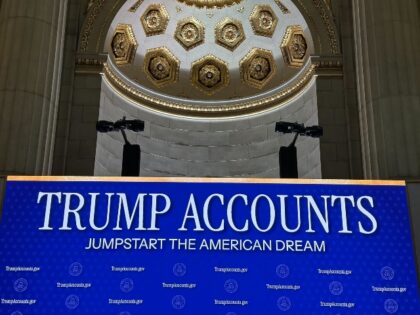
Bill Maher’s unexpected nod to Trump Accounts as a modern echo of George W. Bush’s Social Security privatization push is more than a late-night talking point—it’s a reminder that the same principle of individual ownership versus government gatekeeping runs through every debate about personal liberty. When people are allowed to steer a slice of their own retirement dollars into private markets, the left reflexively cries “risk,” yet the right sees the same mechanism that underpins the Second Amendment: trust the citizen, not the collective. Both policies rest on the belief that Americans are competent enough to manage their own futures—whether that future is measured in 401(k) statements or in the gun safe.
For the 2A community, the parallel is instructive. Just as expanded investment choice threatens the administrative state’s monopoly on retirement funds, shall-issue carry, constitutional carry, and nationwide reciprocity threaten its monopoly on the means of self-defense. In both arenas the argument against freedom is identical: “most people can’t be trusted.” Yet data from constitutional-carry states show no surge in crime, just as private-account pilots have historically outperformed the actuarially rigged Social Security ledger. The lesson is consistent—once citizens prove they can handle added responsibility, the case for further restrictions collapses.
The deeper implication is strategic. If cultural elites like Maher are willing to concede that letting individuals control a portion of their Social Security taxes “makes sense,” the same intellectual concession can be leveraged on the right to keep and bear arms. Framing gun ownership as another form of self-directed asset—rather than a collective risk to be managed—shifts the conversation from paternalistic control to personal stewardship. In an era when trust in centralized institutions is at historic lows, that framing may be the most effective bridge yet between fiscal conservatives and Second Amendment advocates.


