

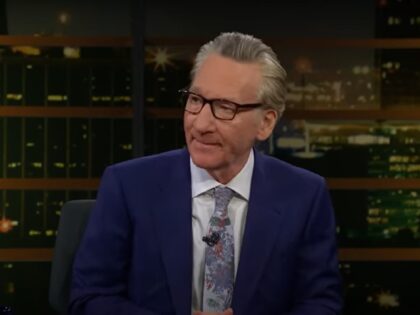
Bill Maher’s blunt dismissal of Sen. Raphael Warnock’s “both-sides” framing on the Middle East conflict is a timely reminder that moral clarity still matters when one side openly calls for the elimination of the other. Maher’s refusal to equate a liberal democracy defending itself with a theocratic death cult that weaponizes civilians is the same intellectual honesty the gun-rights community has long demanded when media and politicians try to lump lawful owners in with criminals. The moment a sitting senator equates the defensive use of force with genocidal intent, the 2A world recognizes the same rhetorical sleight-of-hand used to paint every AR-15 owner as a threat to public safety.
That rhetorical move has real-world consequences for self-defense rights. When “both-sides” language flattens distinctions between aggressor and defender, it becomes easier for lawmakers to justify sweeping restrictions on the very tools citizens need to protect themselves from the same kind of ideological violence playing out overseas. Maher’s audience may not connect the dots, but Second Amendment advocates see the pattern: once the principle that “extremes on both sides” are equally bad takes hold, the next step is treating every armed citizen as an “extreme” that must be managed rather than a bulwark that must be preserved.
The deeper implication is cultural. A society that loses the ability to distinguish between civilization and barbarism will eventually disarm the civilized first. Maher’s stand against false equivalency is therefore not just a foreign-policy critique; it is an implicit defense of the armed citizen’s right to remain unambiguously on the side of life and liberty when the next round of “reasonable” gun-control proposals arrives dressed in the language of balance.


