

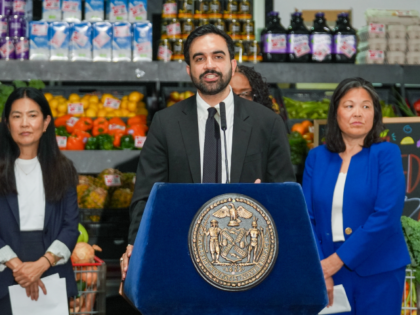
Bill Maher’s takedown of Zohran Mamdani’s government-run grocery scheme lands like a well-placed shot on a steel plate: the idea isn’t competition, it’s a taxpayer-funded competitor that crowds out the very businesses it claims to help. History is littered with state-run stores that promised lower prices and delivered empty shelves, from the Soviet bread lines to Venezuela’s state supermarkets where even toilet paper became a luxury. When government inserts itself as both regulator and retailer, the rules tilt, private grocers bleed margins, and consumers ultimately pay twice—once at the register and again on April 15.
For the 2A community, the lesson is immediate and practical. The same logic that justifies city-run bodegas can be—and has been—used to justify city-run gun stores, “public safety” ammunition depots, or licensing schemes that price private FFLs out of existence. Every time government claims it can do something cheaper or “more fairly,” it simultaneously creates a constituency dependent on its continued existence and a precedent for restricting the private market that actually works. Gun owners who shrug at grocery-store socialism today may find themselves explaining tomorrow why their local gun shop deserves to survive the same treatment.
The deeper implication is cultural. A society comfortable with the state selling milk is rarely squeamish about the state deciding who may buy ammunition. The 2A fights we win in legislatures and courts are only as durable as the underlying belief that private enterprise, not bureaucratic benevolence, is the default. Maher’s blunt reminder that this idea “has never worked” is therefore more than economic commentary; it’s a warning flare for anyone who values the right to keep and bear arms without first asking permission from the same entity that can’t keep lettuce on the shelf.


