

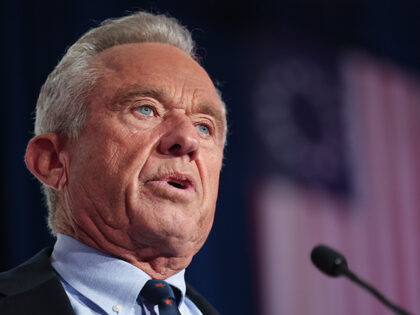
Robert F. Kennedy Jr.’s latest move to overhaul how the federal government vets food additives isn’t just a win for clean-eating moms—it’s a quiet but powerful reminder that the same regulatory machinery that once tried to ban lead-free primers and micro-stamped ammunition can be redirected toward actual public-health threats. By promising faster, science-based reviews of ingredients like seed oils and synthetic dyes, MAHA is shifting the Overton window away from reflexive prohibition and toward evidence-driven policy. That shift matters to gun owners because it proves the administrative state can be reformed rather than merely expanded, a lesson the 2A community has been preaching since the days of the 1994 “assault-weapons” ban.
The deeper implication is cultural. For decades, legacy agencies equated safety with scarcity—fewer choices, more rules, and zero tolerance for individual risk assessment. Kennedy’s approach flips the script: informed adults, not clipboard-toting bureaucrats, decide what belongs on their plates. That same principle underpins every shall-issue carry law and constitutional-carry expansion; trust the citizen, verify the data, and keep the government on a short leash. If MAHA succeeds in rolling back decades of mission-creep at HHS and the FDA, it hands Second Amendment advocates a fresh proof-of-concept: regulatory rollback is both popular and practical.
Finally, the timing is instructive. With midterms looming and statehouses still grinding out magazine bans and “sensitive-place” litigation, a high-profile victory on food freedom demonstrates that voters reward tangible deregulation. Gun-rights groups would be wise to borrow MAHA’s messaging—frame every restriction as an untested experiment on law-abiding citizens—and keep the pressure on agencies that still treat the right to keep and bear arms as a presumptive public-health hazard rather than a constitutionally protected liberty.


