

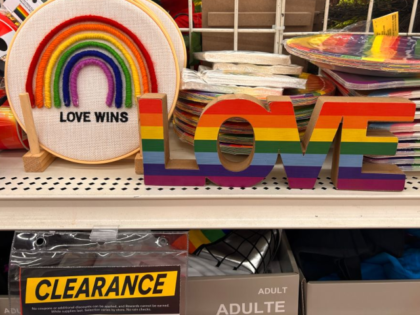
Retailers are quietly dialing back the rainbow racks aimed at kids this Pride Month, a direct market correction after the 2023 backlash that hammered brands for pushing gender ideology on children. What looked like an unstoppable corporate wave under the previous administration has hit the shoals of parental pushback, with stores from big-box chains to specialty outlets trimming the child-sized “Pride” apparel to avoid another round of boycotts and lost sales. The shift isn’t driven by sudden moral awakening but by cold profit-and-loss math: families who once filled carts without a second thought are now voting with their wallets, and the numbers are speaking louder than any activist hashtag.
For the 2A community this retreat carries a deeper signal. The same cultural forces that tried to normalize contested medical interventions for minors also spent years framing lawful gun owners as inherent threats, pushing “red flag” laws and corporate virtue campaigns that painted the Second Amendment as a public-health crisis. When retailers discover that alienating parents costs them market share, they are forced to recalibrate across the board; the same scrutiny that exposed overreach on children’s apparel can—and should—be turned on companies that quietly fund anti-gun politicians or restrict firearm-related transactions. Parents who successfully defended their kids from ideological clothing lines now have a proven playbook for defending the right to keep and bear arms.
The larger implication is that consumer sovereignty remains the most effective check on institutional overreach. Whether the issue is children’s fashion or the right to self-defense, sustained, organized pushback works. The 2A community should treat this retail reset not as an isolated victory for parental rights but as fresh evidence that cultural territory can be reclaimed when citizens refuse to subsidize their own disarmament.


