

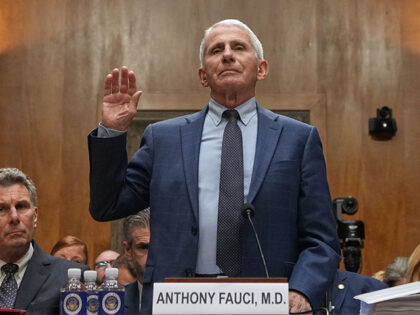
Louisiana’s decision to probe Anthony Fauci is more than a political headline—it’s a reminder that no one, not even the nation’s most celebrated public-health czar, is above accountability when federal power is abused. Attorney General Liz Murrill’s pledge to chase “any other offenses” signals that states are no longer content to let Washington police its own. For Second Amendment advocates, the move is a case study in federal overreach: the same agencies that shuttered gun stores as “non-essential” during COVID lockdowns also funneled billions into gain-of-function research while shielding their decisions behind emergency edicts. If Louisiana can subpoena emails and funding trails, it proves that state attorneys general can pierce the administrative veil that has long insulated federal bureaucracies from scrutiny.
The deeper implication for gun owners is that institutional skepticism is now bipartisan currency. When a Republican AG treats a former NIAID director like a target rather than a saint, it normalizes the idea that federal agencies—from the ATF to the CDC—must answer to the people whose rights they curtail. That precedent matters the next time a public-health order tries to close ranges, halt ammunition shipments, or redefine pistol braces by fiat. In short, Louisiana isn’t just chasing Fauci; it’s modeling how states can push back when Washington’s alphabet soup decides that liberty is optional.


