

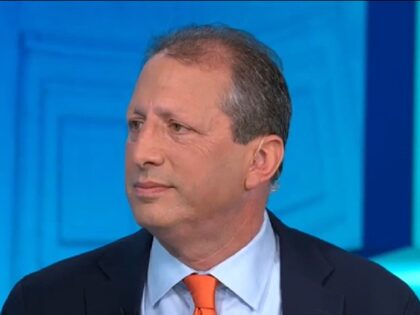
Brad Lander’s call for a “reset” in U.S.-Israel ties—tying future aid to strict human-rights and international-law benchmarks—signals a broader leftward shift that could soon test every foreign-policy lever Washington pulls, including those that indirectly shape domestic gun rights. When politicians begin conditioning security assistance on compliance with evolving global norms, the same logic can migrate home: today it’s F-35s and Iron Dome batteries, tomorrow it could be import bans or funding cuts aimed at American manufacturers whose products fail some new international “human-rights” checklist. The 2A community has watched this movie before—UN Arms Trade Treaty debates, EU-style “common position” rules, and NGO pressure campaigns that label certain calibers or features as inherently destabilizing—so Lander’s litmus test for 2028 is less an Israel-only story than a warning flare for how quickly foreign-policy purity tests become domestic gun-control tools.
At the same time, the episode underscores why pro-2A voters treat every election as a gatekeeping exercise on judges, diplomats, and trade officials who rarely campaign on firearms yet end up regulating them through the back door. If a Democratic nominee can float the idea of halting aid over abstract legal standards without immediate political blowback, it lowers the barrier for similar rhetoric aimed at U.S. gun makers accused of fueling “global gun violence.” The practical takeaway is straightforward: stay engaged in down-ballot races and insist that any candidate endorsing conditional foreign aid also clarify—on the record—where they stand on the Second Amendment’s protection against international or administrative end-runs around the Constitution.


