

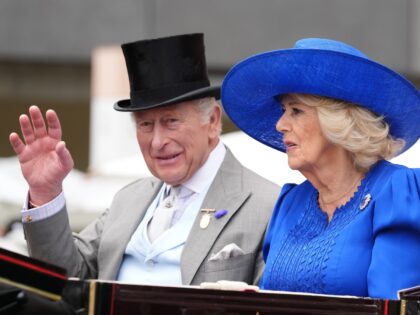
King Charles III’s decision to lay bare his personal tax bill marks a calculated royal pivot toward transparency at a moment when public tolerance for inherited privilege is wearing thin. By voluntarily exposing what generations of Windsors kept shielded behind palace ledgers, the new monarch is attempting to rebrand the Crown as just another high-net-worth taxpayer rather than an untouchable institution—an image makeover that carries an unmistakable echo for American gun owners who have spent decades fending off the same “trust us, we know best” arguments from distant capitals. When the state already knows how much you earn, how you spend it, and whether your firearms are locked away, the next logical step is to demand you justify why you still possess them at all.
For the 2A community the lesson is straightforward: once government gains the power to inspect private ledgers, it rarely stops at taxes. The same logic that now pressures a king to publish his finances is already being used to justify registration schemes, insurance mandates, and “may-issue” carry permitting that treat the right to keep and bear arms as a revocable privilege rather than an unalienable one. Charles’s concession may buy short-term goodwill, but it also normalizes the idea that privacy is something the powerful bestow rather than something citizens inherently possess—an idea that, if imported across the Atlantic, would erode the very legal bulwarks that keep the Second Amendment intact.
The deeper implication is cultural. A monarchy willing to auction off its financial privacy to appease critics sets a precedent that private gun ownership can likewise be “modernized” into public compliance. American gun owners who have watched magazine bans, red-flag laws, and pistol-roster restrictions advance under the banner of “reasonable transparency” should recognize the pattern: every new disclosure requirement becomes the baseline for the next one. Charles may be trying to save the Crown; the 2A community’s task is to ensure the same surrender never reaches the Bill of Rights.


