

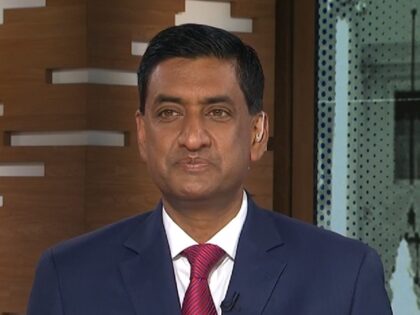
Rep. Ro Khanna’s blunt admission that any new Iran nuclear deal will be weaker than the original JCPOA—and that Americans will simply have to “tough it out”—lays bare the administration’s willingness to trade long-term security for short-term optics on gas prices. By conceding that the United States will accept a less stringent agreement, Khanna signals that sanctions relief for Tehran is back on the table, a move that historically funnels hard currency into the IRGC’s coffers and, by extension, to proxy militias that have repeatedly targeted U.S. forces and interests. For Second Amendment advocates, the lesson is straightforward: when diplomats prioritize appeasement over deterrence, the burden of restoring deterrence often falls on an armed citizenry prepared to defend the homeland if foreign policy fails.
The timing is equally telling. With inflation still biting at the pump, the administration appears ready to green-light Iranian oil exports in exchange for vague promises, effectively subsidizing an avowed enemy while domestic energy production remains hamstrung by regulation. That same regulatory mindset—centralized control justified by crisis—has long been used to justify restrictions on lawful firearm ownership. If Washington will bend its non-proliferation red lines to chase cheaper gasoline, it is hardly a stretch to imagine similar expediency applied to magazine bans, “assault weapon” prohibitions, or universal background-check mandates framed as “public-safety” measures. Khanna’s shrug underscores a governing philosophy that treats constitutional rights as negotiable whenever political convenience demands it.
The 2A community’s response should be to double down on preparedness and political engagement. Stockpiling ammunition and training remain prudent hedges against both foreign adventurism and domestic overreach. At the same time, voters who value the right to keep and bear arms must recognize that election-year rhetoric about “tough” choices often masks permanent erosions of liberty. The JCPOA’s successor may indeed be weaker, but the precedent it sets—that core national interests can be bartered away for transient economic relief—should stiffen resolve to protect the one check on government power the Founders enshrined in the Bill of Rights.


