

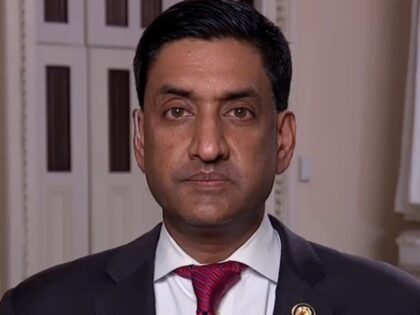
Rep. Ro Khanna’s attempt to thread the needle between endorsing an ICC arrest warrant for Benjamin Netanyahu and reassuring Americans that “they don’t have” anything to fear is a textbook example of how quickly due-process protections can be hollowed out once the principle is conceded. By arguing that the United States should enforce foreign-court warrants against non-citizens while simultaneously promising that citizens remain exempt, Khanna is conceding that the ICC’s jurisdiction is legitimate in the first place—an international body whose Rome Statute the U.S. has never ratified and whose prosecutor has already floated the idea of targeting American service members. The moment the federal government treats an ICC warrant as enforceable inside our borders, the precedent is set; the only variable left is whose name appears on the next warrant.
For the Second-Amendment community, the stakes are immediate and practical. An administration willing to deputize foreign tribunals can just as easily declare that domestic “red-flag” orders, U.N. small-arms resolutions, or future “climate emergencies” carry the force of law without congressional action or jury trials. The same logic that lets Washington honor an ICC warrant against an Israeli prime minister can be repurposed to honor a foreign or international edict against an American gun owner whose only offense is owning a standard-capacity magazine or a braced pistol now reclassified by bureaucratic fiat. Khanna’s verbal escape hatch—“not talking about Americans”—offers zero legal barrier once the enforcement infrastructure is normalized.
The deeper danger is cultural. When elected officials begin to distinguish between “our law” and some higher, supranational morality that only applies to other people, they normalize the idea that constitutional rights are privileges granted by the government rather than pre-political guarantees that government exists to protect. The 2A community has seen this movie before: assault-weapon bans sold as “reasonable,” followed by confiscation schemes once registration is in place. Treating ICC warrants as presumptively valid is simply the foreign-policy version of the same bait-and-switch. The only durable safeguard is a political and legal culture that treats any external tribunal’s attempt to reach inside the United States as categorically void—and that culture starts with refusing to make exceptions for foreign leaders we happen to dislike.


