

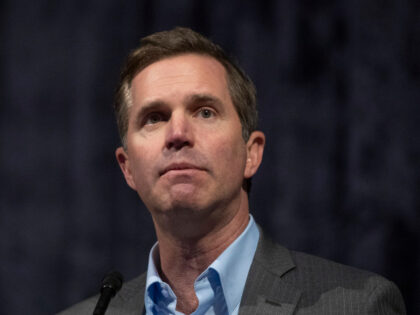
Kentucky Governor Andy Beshear’s call for Senator Mitch McConnell to “fully update” the public on his health isn’t just another Beltway sideshow—it’s a reminder that the senior senator from the Bluegrass State remains one of the most consequential gatekeepers of federal judicial appointments and, by extension, the long-term shape of Second Amendment jurisprudence. McConnell’s record of confirming originalist judges who view the right to keep and bear arms as an individual liberty rather than a policy preference has already shifted the federal bench for a generation; any prolonged uncertainty about his capacity to continue that work invites renewed pressure from gun-control advocates eager to exploit a leadership vacuum.
For the 2A community, the stakes are straightforward: McConnell’s influence over committee assignments and floor scheduling has repeatedly blocked or slowed legislation that would expand background checks, restrict magazine capacity, or create new “red flag” regimes at the federal level. If rumors of incapacity prove even partially true, the scramble to replace him could produce a more moderate or even anti-gun Republican in a state that has trended increasingly conservative on firearms issues, or it could hand Democrats a temporary majority that accelerates their regulatory wish list. Either scenario underscores why grassroots organizations and state attorneys general are already gaming out succession plans and why every Senate vacancy now carries an implicit referendum on the future of the right to bear arms.


