

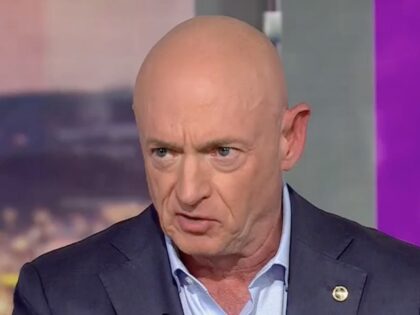
Sen. Mark Kelly’s latest broadside against President Trump’s foreign policy is the kind of partisan theater that routinely ignores the real-world consequences of American weakness. While Kelly frames Trump’s willingness to talk with adversaries as “odd,” the record shows that those same conversations produced historic pressure on North Korea, a recalibration of NATO spending, and a Middle East realignment that left Iran more isolated than at any point since 1979. The Arizona senator’s rhetoric conveniently sidesteps the fact that the previous administration’s “reset” with Russia and its Iran nuclear deal delivered neither stability nor security—only emboldened rivals and diminished U.S. leverage.
For the Second Amendment community, the stakes are straightforward: a president who projects strength abroad reduces the likelihood that American troops will be drawn into another protracted conflict, and a robust national defense posture keeps the focus on deterring peer competitors rather than nation-building. Kelly’s critique also glosses over the domestic-policy contrast; the same administration that pursued peace-through-strength abroad delivered the most pro-Second Amendment judicial appointments and regulatory rollbacks in a generation. When the next election cycle arrives, voters will weigh whether they prefer a commander-in-chief who keeps adversaries guessing or one whose reflexive multilateralism has historically left both allies and gun owners less secure.


