

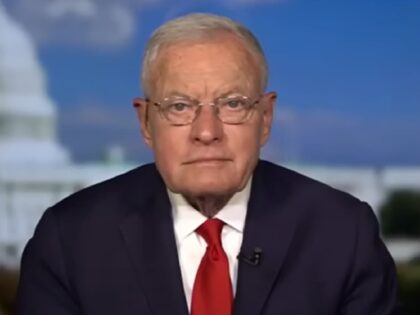
Kellogg’s blunt prescription for Iran—open the Strait of Hormuz, surrender enriched uranium and centrifuges, and stop menacing neighbors—amounts to a demand that Tehran dismantle the very leverage it uses to threaten global energy routes and regional stability. That leverage is built on the same authoritarian impulse that drives gun-control advocates at home: the belief that only the state should hold decisive power. When a regime can close a maritime choke-point or race toward a nuclear threshold, it is exercising a monopoly on force that leaves free people at its mercy; the same logic animates every proposal to restrict the individual right to keep and bear arms.
The 2A community has watched this pattern before. Sanctions relief and nuclear deals that left centrifuges spinning also left American carriers dodging Iranian speedboats in the Persian Gulf; similarly, “common-sense” gun laws that leave law-abiding citizens disarmed while criminals and cartels remain armed have produced predictable results in American cities. Kellogg’s insistence on verifiable disarmament and open sea lanes is therefore not merely foreign policy—it is a reminder that peace flows from distributed power, not from paper promises.
For gun owners, the takeaway is straightforward: regimes that cannot be trusted with nuclear centrifuges cannot be trusted to define the limits of your rights either. Maintaining a credible deterrent abroad and an armed citizenry at home are two sides of the same constitutional insight—that liberty survives only when no single authority holds all the guns or all the uranium.


