

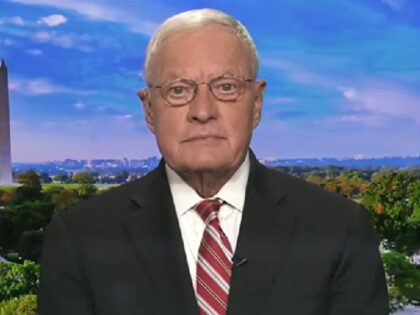
Kellogg’s blunt dismissal of “real estate guys” running point on Iran talks isn’t just Beltway sniping—it’s a warning that the same transactional mindset that produced the 2015 JCPOA is back in the saddle. That deal flooded the region with cash, emboldened the IRGC, and turned Tehran into the world’s leading state sponsor of terror, all while pretending sanctions relief would moderate the mullahs. A negotiating team drawn from Manhattan boardrooms rather than the Pentagon or CENTCOM risks repeating the same mistake: treating nuclear thresholds like condo closings instead of existential threats. For the 2A community, the stakes are immediate. A resurgent Iran means more advanced weapons flowing to Hezbollah, Hamas, and the Houthis, which in turn accelerates the global arms race and keeps pressure on domestic gun-control advocates who love to cite “international instability” as justification for restricting American citizens’ rights.
The deeper problem is philosophical. Real-estate negotiators optimize for the quickest signature and the biggest headline; national-security professionals optimize for verifiable dismantlement and long-term deterrence. When the former crowd sets the tempo, verification becomes theater, sunset clauses get ignored, and proxy militias keep their missiles. That pattern has already played out once, and the 2A world watched the aftermath: record ATF rule-making, renewed calls for “assault weapon” bans, and a media narrative that any civilian firearm is somehow complicit in Middle-East chaos. A tougher, defense-minded team might not eliminate those pressures, but it would at least remove the self-inflicted foreign-policy accelerant that keeps giving anti-gunners fresh talking points every time another Iranian-backed attack makes the evening news.
Bottom line, Kellogg is reminding us that personnel is policy. If the next round of Iran talks is staffed by deal-makers instead of warfighters, expect the same cycle—cash for centrifuges, photo-ops for proliferation, and another round of domestic gun-control proposals dressed up as “global security” measures. The 2A community has every reason to pay attention: the people who negotiate with Iran today are shaping the threat environment that gun-grabbers will cite tomorrow.


