

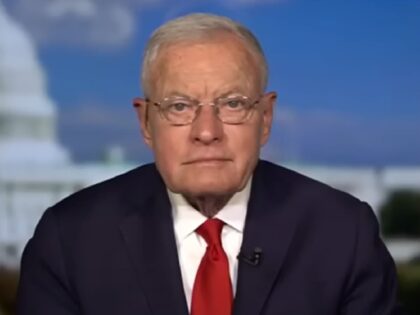
Kellogg’s blunt warning that Iran will “probably kill Americans in the future” lands like a cold splash of reality after years of wishful diplomacy. The former Trump national-security adviser’s qualified endorsement of the new memorandum of understanding reveals the uncomfortable truth that even limited deals with Tehran come with an unspoken price tag measured in American lives. For the Second Amendment community, the message is straightforward: when the federal government signals that it cannot—or will not—fully deter state-sponsored terrorism, the responsibility for personal and family security shifts even more squarely onto law-abiding citizens who choose to exercise their right to keep and bear arms.
The timing is especially telling. While Beltway voices celebrate incremental diplomatic “progress,” Kellogg’s reminder that Iran has already killed Americans and is likely to do so again underscores how fragile any paper agreement remains. History shows that regimes ideologically committed to exporting violence rarely abandon the tactic simply because a new memo is signed; they merely recalibrate. That reality reinforces why millions of Americans treat the Second Amendment not as a hobby but as the ultimate insurance policy against both foreign and domestic threats that government forces may be slow or unwilling to neutralize.
In practical terms, Kellogg’s assessment should accelerate the ongoing shift in how freedom-minded citizens approach preparedness. Expect renewed interest in defensive firearms training, deeper stockpiling of defensive ammunition, and state-level pushes to expand constitutional carry precisely because the alternative—trusting distant diplomats to keep the peace—has repeatedly proven unreliable. When a senior national-security figure concedes that more American deaths are probable, the case for an armed populace becomes less theoretical and more urgent.


