

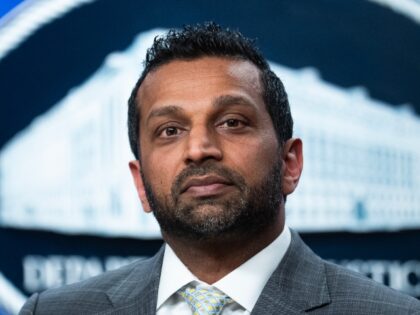
The FBI’s ability to execute two separate hostage rescues inside a single day isn’t just a tactical flex—it’s a reminder that the same federal apparatus now led by Kash Patel is sharpening its edge on the very threats that matter most to armed citizens. When the Hostage Rescue Team moves that quickly, it signals an agency finally prioritizing real-time violence over the slow-motion theater of chasing law-abiding gun owners. For the 2A community, that shift matters: every minute an HRT element spends extracting a victim is a minute not spent auditing FFL logs or pushing “ghost gun” rules that never touch criminals.
What makes this development especially noteworthy is the contrast with the previous regime’s posture. Under earlier leadership the Bureau often seemed more interested in high-profile press conferences about pistol braces than in the unglamorous work of rolling up active hostage-takers. Patel’s internal note thanking the Sacramento field office underscores a cultural reset—one that treats the Second Amendment as an ally rather than a regulatory target. When federal operators train and deploy at this tempo, they implicitly acknowledge that armed citizens and professional teams operate on the same continuum of lawful self-defense, not as opposing forces.
The broader implication is strategic. A leaner, mission-focused FBI leaves fewer resources for the paperwork-heavy enforcement actions that have chilled lawful gun commerce in recent years. That reallocation doesn’t just protect hostages; it protects the ecosystem of trainers, manufacturers, and everyday carriers who rely on predictable, rights-respecting federal policy. In short, two rescues in twenty-four hours is more than good police work—it’s evidence that the institutional weight once aimed at the gun culture is being redirected toward the actual predators who threaten it.


