

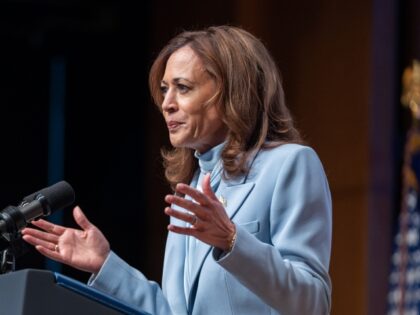
Kamala Harris’s preemptive defense of the 2020 results—delivered just before President Trump’s address on election integrity—reads less like reassurance and more like a calculated attempt to lock the narrative before voters can revisit the procedural irregularities that still trouble millions. By insisting “we won and he lost,” she sidesteps the very questions that matter to the Second Amendment community: how secure were the voter rolls, how transparent were the chain-of-custody protocols, and how many ballots were cast by individuals whose eligibility was never properly vetted? Those same questions directly affect whether the next Congress will treat the right to keep and bear arms as a fundamental liberty or as a privilege subject to ever-shifting bureaucratic gatekeepers.
For gun owners, the stakes are concrete. A razor-thin margin in key states can decide whether the next Senate confirms judges who view the Second Amendment as an individual right or as a collective one that legislatures may curtail at will. Harris’s framing also signals the administration’s likely posture on red-flag laws, universal background checks, and the continued push to treat pistol braces and standard-capacity magazines as regulatory targets. When the person positioning herself as the defender of “our democracy” simultaneously champions policies that treat lawful firearm ownership as inherently suspect, the 2A community has every reason to treat her election-integrity talking points as part of a larger pattern of institutional distrust rather than a neutral statement of fact.
The practical takeaway is straightforward: verify your registration, confirm your state’s voter-ID rules, and recognize that the same procedural safeguards that protect ballot integrity also protect the electoral margins that determine whether the right to bear arms survives the next legislative session. Harris’s remarks may have been aimed at the evening news cycle, but their downstream effect lands squarely on the gun counter—where every contested election becomes another round in the fight to keep government from deciding who is worthy of self-defense.


