

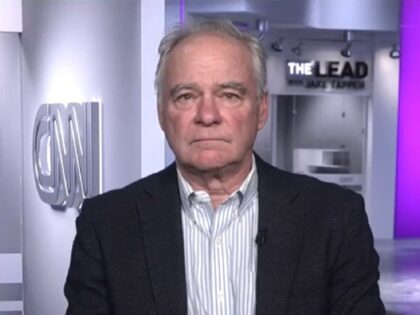
Sen. Tim Kaine’s accusation that the White House is “lying” about only striking designated narco-terrorists is the latest skirmish in a long-running battle over who gets to define the battlefield. The strikes in question—conducted by U.S. naval and Coast Guard assets in the Caribbean and Eastern Pacific—are aimed at vessels and crews tied to cartels that the State Department has already labeled Foreign Terrorist Organizations. Kaine’s skepticism isn’t really about the targets; it’s about the precedent. Once the executive branch can designate a transnational criminal network as a terrorist entity, the legal and political barriers to using military force drop dramatically. That same designation authority, if expanded or abused, could one day be aimed at domestic political opponents or, more plausibly, at American gun owners under the ever-elastic “domestic terrorism” label that gun-control advocates keep trying to attach to lawful firearm owners.
For the 2A community the stakes are straightforward: every time the federal government normalizes the use of military or intelligence tools against loosely defined “terror” networks, it creates templates that can be repurposed. The same surveillance architecture, asset-forfeiture rules, and rules-of-engagement that let a destroyer put a Hellfire on a narco-sub could, with only minor statutory tweaks, be turned on a “ghost gun” manufacturer or a gun-show attendee accused of “trafficking.” Kaine’s outrage is therefore useful theater; it keeps the public focused on whether the right cartel members were killed rather than on whether the underlying legal architecture is being hardened for future domestic application.
The deeper implication is that the Second Amendment community cannot afford to treat counternarcotics operations as someone else’s problem. The same senators who today question whether a narco-sub was a legitimate target will tomorrow argue that an AR-15 in a privately owned vehicle near the border constitutes “material support” to cartels. The fight over who counts as a narco-terrorist is ultimately a fight over how broadly the government may define an enemy of the state—and that definition has never stayed neatly offshore for long.


