

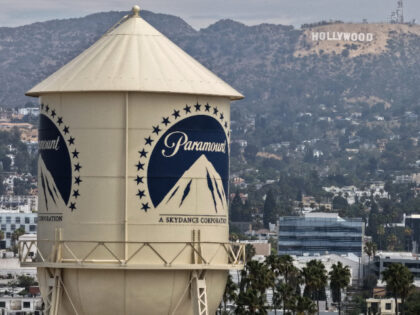
The latest delay in the Paramount-Warner Bros. Discovery merger isn’t just another antitrust footnote—it’s a reminder that when media giants consolidate, the First Amendment’s protections can get squeezed in the boardroom before they ever reach the courtroom. A federal judge’s extended restraining order keeps the two entertainment behemoths from finalizing their union, citing concerns over reduced competition in streaming and premium cable. For Second Amendment advocates, the stakes are more than market share: fewer independent voices mean fewer outlets willing to host dissenting coverage of gun policy, self-defense stories, or investigative pieces that challenge prevailing narratives pushed by coastal elites and activist shareholders.
What makes this pause especially relevant is the broader pattern of media concentration coinciding with regulatory hostility toward firearms content. Over the past decade, legacy networks and their streaming arms have quietly trimmed or demonetized pro-2A programming while amplifying restrictionist talking points. A merged Paramount-Warner entity would control an even larger slice of the cultural pipeline—everything from newsrooms to late-night monologues to the next big-budget drama that either humanizes or vilifies gun owners. The judge’s intervention buys time for smaller producers, independent journalists, and alternative platforms to keep those stories alive before algorithms and ad departments decide they’re too “risky.”
Longer term, the 2A community should watch how antitrust scrutiny interacts with emerging state-level press-freedom laws and social-media reforms. If the merger ultimately collapses under regulatory pressure, it could fragment the market in ways that reward nimble, audience-driven outlets less beholden to ESG scorecards or national ad boycotts. Conversely, if the deal is eventually green-lit with only cosmetic divestitures, expect further consolidation of editorial priorities that treat lawful gun ownership as a fringe hobby rather than a constitutionally protected right. Either way, the courtroom battle over two Hollywood logos is a proxy fight for who gets to frame America’s gun culture for the next generation.


