

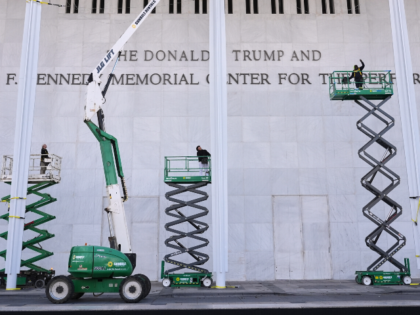
In a move that feels more like political theater than principled governance, a federal judge has stepped in to keep the Kennedy Center’s doors open during planned repairs while simultaneously ordering the removal of President Trump’s name from the venue—an institution originally established by Congress as a living memorial to JFK. The ruling effectively treats the center’s operational continuity as a matter of judicial oversight, even as it sidelines the executive branch’s authority over a federally chartered facility. For those who value constitutional structure, the decision raises eyebrows: if a single district judge can dictate both the schedule of maintenance and the naming conventions of a national landmark, what does that say about the balance of powers the Founders envisioned?
The 2A community should take note because this episode is a microcosm of a larger pattern—judicial activism deployed to blunt executive actions that run counter to entrenched institutional preferences. When courts insert themselves into what are essentially administrative and symbolic decisions, they create precedent that can just as easily be turned against gun owners, manufacturers, and the organizations that defend the right to keep and bear arms. A ruling that casually overrides presidential naming authority or forces a venue to remain open despite safety-driven closures signals a willingness to treat executive discretion as optional rather than co-equal. That same logic has already been used to stall ATF rules, block state preemption statutes, and second-guess congressional findings on “sensitive places.”
Ultimately, the Kennedy Center episode is less about acoustics and scaffolding and more about who gets to decide what symbols and institutions endure. If judges can erase a sitting president’s name from a building with the stroke of a pen, the same institutional muscle can be flexed against ranges, gun shops, or even the statutory language of the Second Amendment itself. The lesson for pro-2A advocates is straightforward: every expansion of judicial gatekeeping over executive or legislative functions is another potential choke point on the right to arms. Staying alert to these procedural power plays is every bit as important as monitoring the next round of magazine bans or pistol brace rules.


