

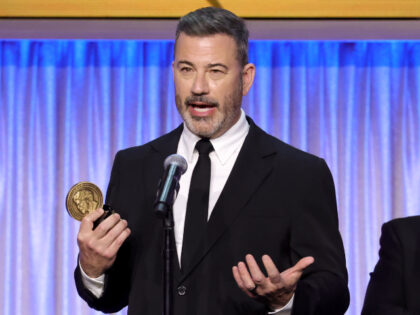
Jimmy Kimmel’s meltdown over President Trump’s prediction that he’ll be the next late-night casualty isn’t just another celebrity tantrum—it’s a window into how cultural power is shifting away from the insulated coastal echo chamber. Trump’s jab landed because it followed the abrupt cancellation of Stephen Colbert’s show, a move that exposed how even once-untouchable progressive voices can be cut when ratings crater and advertisers flee. Kimmel’s defensive outrage reveals the fragility of an industry that long assumed its monopoly on “comedy” would shield it from accountability, especially when the audience has migrated to platforms that reward authenticity over scripted partisanship.
For the 2A community, this moment underscores a broader realignment: the same forces that propped up anti-gun monologues on network television are losing their grip as viewers reject one-sided lectures disguised as entertainment. Late-night hosts who spent years framing lawful gun owners as extremists now face shrinking relevance precisely because their audience no longer trusts institutions that demonize constitutional rights. The cancellation wave signals that cultural gatekeepers can no longer dictate narratives unchallenged, opening space for voices that treat the Second Amendment as a cornerstone of liberty rather than a punchline.
This isn’t merely about television schedules; it reflects a marketplace correction where consumers reward content that aligns with lived experience over elite talking points. As legacy media contracts, pro-2A creators and commentators gain ground by filling the vacuum with unfiltered discussion of self-defense, constitutional carry, and the right to keep and bear arms. Kimmel’s reaction is less about Trump’s words and more about the dawning realization that the old monopoly on outrage is over—and that’s good news for anyone who values an armed citizenry over curated cultural conformity.


