

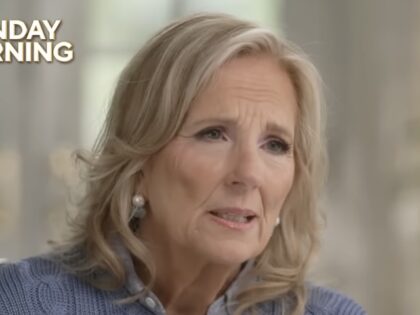
Jill Biden’s admission that she feared her husband was suffering a stroke during the June 2024 debate isn’t just a family anecdote—it’s a window into how cognitive decline at the highest levels of government can ripple outward and threaten every constitutional protection, including the Second Amendment. When the person holding the nuclear codes and signing executive orders on “ghost guns,” pistol braces, and ATF rule-making can’t reliably string sentences together, the administrative state doesn’t pause; it accelerates. Career bureaucrats and political appointees keep churning out restrictions that bypass Congress, betting that a distracted or diminished chief executive won’t notice or won’t care. For gun owners, that means midnight-rule changes, surprise pistol-brace registrations, and quiet funding for state-level red-flag programs all sail through while the nominal leader is, quite literally, lost on stage.
The deeper problem is the institutional cover-up that kept this frailty hidden from voters until it could no longer be denied. If the White House physician, senior staff, and family were willing to stage-manage public appearances to mask what the First Lady now calls a possible stroke, what else were they willing to obscure? The same apparatus that concealed Biden’s condition also green-lit the most aggressive gun-control agenda in decades—pushing universal background checks via executive action, targeting FFL dealers with novel “engaged in the business” definitions, and leaning on banks to debank lawful firearm commerce. A president who isn’t fully present can’t push back against any of it; the permanent bureaucracy simply fills the vacuum. That’s why the 2A community treats cognitive fitness as a national-security issue, not a partisan talking point: an impaired commander-in-chief hands real power to people who view the right to keep and bear arms as an obstacle rather than a birthright.
Looking ahead, the episode should sharpen the community’s focus on demanding ironclad transparency around any future office-holder’s medical and cognitive status. We already require commercial pilots and nuclear-plant operators to meet rigorous mental-fitness standards; the same logic applies to the individual who can unilaterally reshape the regulatory landscape around firearms. Until that standard is met, every new ATF reinterpretation, every quiet funding of gun-confiscation research, and every back-door attempt to nationalize permitting will carry an asterisk: it was enabled, at least in part, by a White House that couldn’t reliably tell the difference between a debate stage and a medical emergency.


