

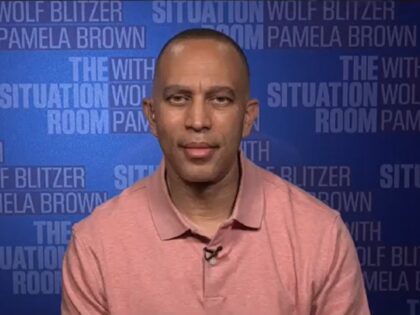
The latest standoff in Washington is less about funding the government and more about who gets to write the rules for the next decade of federal spending. By refusing to back a bill that would have locked in deep cuts to non-defense discretionary accounts, Democrats have signaled they intend to treat every future appropriations fight as a referendum on whether the Biden-era baseline survives intact. For the firearms community that means the ATF’s proposed pistol-brace rule, the proposed excise-tax hike on ammunition, and the quiet expansion of the NICS “enhanced” background-check pilot are no longer abstract threats—they are line items that will be funded or starved depending on which side blinks first. When the minority leader frames the impasse as a principled stand against “partisan” legislation, he is telegraphing that any measure containing Second-Amendment riders will be treated as radioactive until Democrats regain the gavel.
That posture carries immediate tactical consequences. A prolonged continuing resolution keeps the ATF on autopilot, preserving the funding stream that underwrites its pistol-brace enforcement teams and its new “zero-trust” dealer-inspection initiative. Conversely, a hard spending cap could force the agency to prioritize statutory mandates over regulatory adventurism, effectively delaying implementation of the rule until after the next election. Gun owners therefore have a direct stake in whether negotiators treat ATF accounts as sacrosanct or as bargaining chips. The same calculus applies to the FBI’s NICS section: an across-the-board cut would slow the rollout of its expanded “enhanced” check, buying time for litigation that challenges the program’s constitutionality.
The larger implication is that the 2A community can no longer treat appropriations fights as inside-the-Beltway theater. Every continuing resolution or omnibus that emerges from this impasse will contain policy riders—some helpful, most hostile—and the margin for error is shrinking. Lawmakers who claim to support the right to keep and bear arms will be judged not by floor speeches but by whether they are willing to withhold support from must-pass spending packages until ATF funding is conditioned on statutory guardrails. In short, the shutdown endgame is not merely about keeping the lights on; it is about whether the regulatory infrastructure that turns lawful gun owners into presumptive felons receives another blank check or finally meets a hard stop.


