

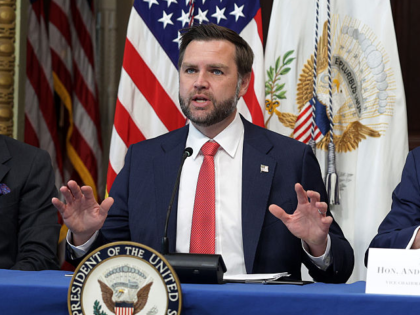
Vice President JD Vance’s push to force data sharing between federal and state agencies while stiffening criminal penalties for fraud is more than a bureaucratic housekeeping bill—it’s a direct strike at the soft underbelly of the gun-control machine. For years, anti-gun states have quietly exploited gaps in the NICS system by refusing to report mental-health adjudications or domestic-violence convictions, then turned around and blamed “loopholes” when prohibited persons slipped through. By mandating real-time data exchange and raising the stakes for deliberate non-compliance, the proposed reforms would finally make every state an honest broker in the background-check process, removing the favorite talking point of politicians who want to expand the system without first fixing the one we already have.
For the 2A community, the implications are twofold and immediate. First, cleaner data means fewer false denials for law-abiding citizens whose names get tangled in incomplete or outdated records—an all-too-common frustration that turns a constitutional right into an exercise in paperwork. Second, harsher penalties for fraudsters who game the system—whether by straw purchasing, identity theft, or lying on Form 4473—send a clear message that the right to keep and bear arms will no longer be eroded by the actions of criminals enabled by bureaucratic sloth. If Congress follows Vance’s lead, the result could be a background-check regime that is both stricter on the dangerous and fairer to the responsible, a rare policy win that strengthens rather than chips away at the Second Amendment.


