

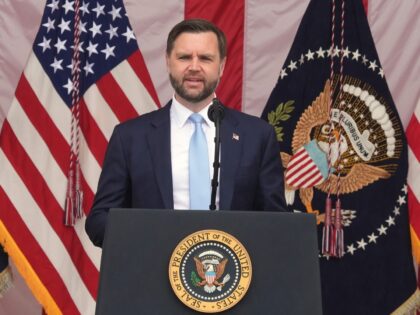
Vice President JD Vance stepping into the lead negotiator role alongside other VPs marks a deliberate shift in how the Trump administration is handling the winding down of hostilities with Iran, and the firearms community should pay close attention. Historically, vice presidents have often been the ones quietly shaping arms-transfer policy and sanctions relief that directly affect what hardware ends up in the hands of U.S. allies or, conversely, what advanced systems Tehran might still acquire on the black market. Vance’s involvement signals that the White House intends to keep a tight rein on any weapons-flow decisions, ensuring that any final deal prioritizes American strategic interests over rushed concessions that could later haunt domestic gun owners through renewed proxy conflicts or technology transfers.
For Second Amendment advocates, the stakes are both immediate and long-term. A negotiated settlement that starves Iran of revenue and advanced munitions reduces the likelihood of another regional arms race that historically drives up the cost and complexity of U.S. small-arms and optics production. At the same time, the administration’s willingness to let a vice president handle the heavy lifting suggests a more disciplined approach to export controls—something the industry has long argued is essential to keeping American manufacturers competitive without inadvertently arming adversaries who later funnel weapons to cartels or terror groups that threaten the southern border. If Vance can lock in verifiable limits on Iranian missile and drone programs, it also lessens the political pressure to further restrict domestic components that dual-use critics often cite as justification for new controls.
Ultimately, this moment underscores a broader truth: foreign-policy decisions made in the Situation Room ripple straight into gun shops and reloading benches across America. By elevating the vice president to manage these talks, the administration is telegraphing that arms-related provisions will receive sustained, high-level scrutiny rather than being punted to mid-level diplomats. That kind of focus tends to produce clearer guardrails on technology transfers and more predictable regulatory environments for domestic manufacturers—exactly the conditions that let the 2A community plan, invest, and innovate without fearing sudden policy whiplash born from sloppy overseas deals.


