

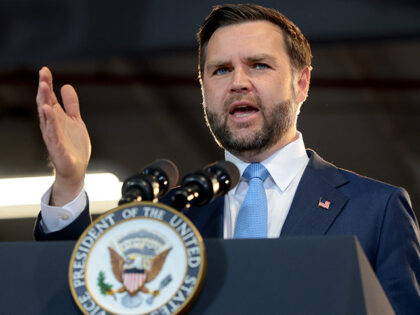
JD Vance’s proposal to slap a six-figure fee on every new H-1B hire is more than a labor-market tweak; it’s a blunt reminder that Washington can still price foreign labor out of the market when political will exists. By forcing companies to pay $103,265 up front, the administration is betting that the sticker shock will push employers to look first at the millions of Americans already in the workforce—many of them veterans, displaced factory workers, and young people who grew up around the very industries now starved for talent. For the 2A community, the parallel is obvious: just as an outsized tax or regulatory fee can chill the exercise of a constitutional right, an outsized visa fee can re-anchor hiring decisions inside U.S. borders. The same principle that keeps the right to keep and bear arms from being licensed into irrelevance can keep American workers from being priced out of their own economy.
Critics will call the fee protectionist, but the data show H-1B usage has long since drifted from its original “genius only” lane into a pipeline for mid-level coders and engineers whose salaries are suppressed by the ready supply of indentured guest labor. Vance’s number roughly matches the lifetime payroll-tax differential between an American hire and an H-1B worker, turning the visa into a Pigouvian tax that internalizes the social cost of offshoring opportunity. Firearms makers, gunsmithing schools, and precision-machining shops that already struggle to find qualified welders and CNC operators stand to gain if the fee nudges HR departments to revive apprenticeship programs instead of renewing another tranche of overseas contracts. In short, the policy is a market-based reminder that sovereignty isn’t just about borders; it’s about making sure the next generation of Americans can still afford to build the tools that secure those borders.


