

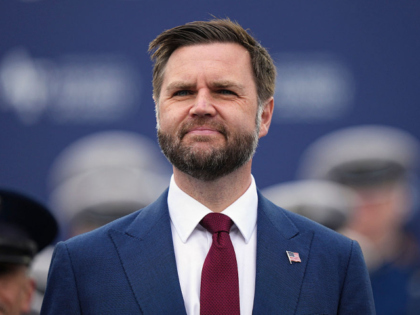
The Trump administration’s decision to choke off the flood of illegal immigration is doing more than restoring order at the border—it’s quietly reshaping the housing market in ways that matter to every gun owner who has watched prices climb out of reach. By cutting the artificial demand created by millions of new arrivals who needed roofs over their heads, the administration has eased pressure on an already strained supply of homes, and Vice President JD Vance is right to call it out. For the 2A community, this isn’t just an economic footnote; it’s a reminder that policy choices on immigration, energy, and regulation all feed into the same pressure cooker that determines whether a family can afford both a mortgage and the firearms they need for self-defense and sport.
What makes this development especially sharp is how directly it exposes the previous administration’s priorities. While the Biden years saw record encounters at the southern border and a corresponding spike in housing costs, the current approach treats border security as a domestic economic lever rather than a distant humanitarian issue. Lower home prices mean more Americans can put down roots in neighborhoods where they can legally keep and bear arms without worrying that rising property taxes or HOA rules will eventually price them out. It also undercuts the narrative that endless migration is an unalloyed good; when the data shows it driving up the cost of everything from apartments to ammunition storage lockers, the trade-offs become impossible to ignore.
For Second Amendment advocates, the lesson is straightforward: the right to keep and bear arms is only as strong as the economic foundation that lets citizens exercise it. When housing stabilizes, families gain the breathing room to invest in training, join ranges, and pass firearms down through generations instead of selling them to cover closing costs. Vance’s observation isn’t just political theater—it’s a signal that the same administration willing to secure the border is also willing to defend the conditions that make constitutional rights practical rather than theoretical.


