

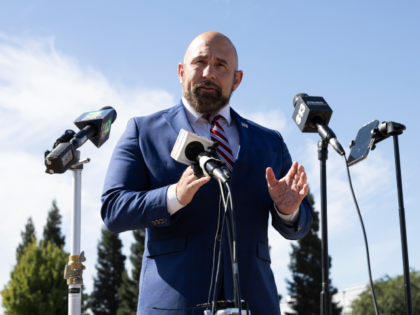
Jay Collins’s sudden pivot from AI cheerleader to AI alarmist isn’t just political theater—it’s a textbook case of how quickly “public safety” rhetoric can be weaponized against any emerging technology, including the very tools that help law-abiding gun owners protect their rights. While serving in the Florida Senate, Collins championed legislation that fast-tracked AI research grants and loosened regulatory hurdles for tech firms; now, as lieutenant governor eyeing the governor’s mansion, he’s warning that AI poses an “existential threat” and calling for sweeping new restrictions. The irony is lost on no one in the firearms community: the same arguments Collins once dismissed when they were aimed at the Second Amendment—vague fears of misuse, demands for preemptive bans, and the claim that only government can be trusted with powerful tools—are now being recycled against AI, a technology already proving invaluable for everything from encrypted communications apps to 3D-printed firearm components and real-time legal research on carry laws.
For Second Amendment advocates, the episode is a cautionary tale about incrementalism and mission creep. If a politician can flip on AI oversight after courting its developers, what prevents the same figure from reversing course on magazine-capacity limits, red-flag laws, or smart-gun mandates once the political winds shift? Collins’s record shows that support for individual liberty can be situational rather than principled, and the 2A community has seen this movie before—lawmakers who praise “innovation” until the innovation threatens a favored regulatory regime. The takeaway is clear: scrutinize every candidate’s entire legislative history, not just their latest press release, because the next “reasonable restriction” could just as easily target encrypted data, decentralized manufacturing files, or AI-assisted marksmanship training as it could target the firearms themselves.


