

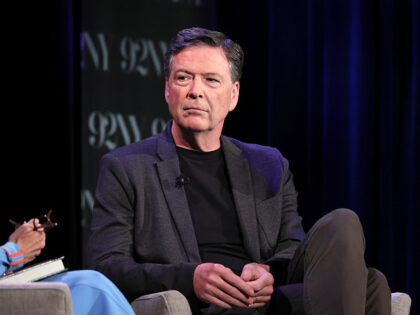
James Comey’s attempt to frame “86 47” as harmless political speech is a textbook example of how the same institutions that once lectured the public about “coded threats” suddenly discover the First Amendment when the shoe is on the other foot. The former FBI director’s legal team is now arguing that a phrase widely understood in law-enforcement circles as slang for eliminating a target should be read as abstract policy commentary—an argument that collapses the moment you recall how aggressively the Bureau once pursued far less ambiguous memes and jokes from private citizens. For the 2A community, the irony is especially rich: the same agency that spent years treating lawful gun owners as presumptive domestic threats is now pleading that its former leader’s cryptic eliminationist shorthand deserves judicial protection.
The deeper problem is the selective application of threat analysis. When an armed citizen posts a range photo or shares a meme about the Second Amendment, federal agencies have historically scrutinized context, tone, and even private messages for any hint of menace. Yet Comey’s defenders insist that “86 47” must be insulated from scrutiny because it was posted by a politically connected former official. That double standard erodes the very principle that rights must apply equally; if the former FBI director can claim his words were mere rhetoric, then every law-abiding gun owner who uses similarly edgy language deserves the same presumption rather than a knock on the door from agents brandishing printouts of tweets.
For Second Amendment advocates, the episode is a reminder that institutional power, not the content of speech, often determines whose words are treated as threats. If Comey’s motion succeeds, it will reinforce the perception that elite status confers immunity from the standards applied to everyone else—an outcome that further justifies the community’s long-standing skepticism toward federal agencies that simultaneously expand surveillance of gun owners while shielding their own alumni from accountability.


