

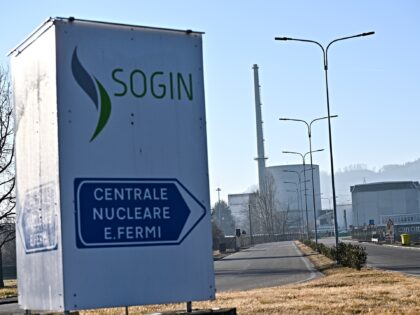
Italy’s decisive parliamentary vote to revive nuclear power isn’t just an energy story—it’s a textbook case of a nation rediscovering that technological sovereignty and strategic independence are non-negotiable. After the 1987 referendum that shuttered its reactors, Italy has spent decades importing electricity and natural gas from neighbors who never abandoned the atom; now Rome is quietly admitting that intermittent renewables alone cannot power an industrial economy or guarantee security when pipelines and grids can be held hostage. The new “sustainable nuclear” framework signals that pragmatic governance is finally trumping decades of anti-nuclear dogma, and the same logic applies to any society that prizes resilience over virtue-signaling.
For the 2A community the parallel is immediate and instructive: just as Italy is reclaiming the right to generate its own baseload power instead of outsourcing it to foreign suppliers, American gun owners continue to defend the individual right to provide their own security rather than depending on distant bureaucracies. Both fights revolve around the same principle—citizens and nations must retain the tools and technologies that keep them free and self-reliant. When governments rediscover that lesson in one domain, it undercuts the broader narrative that only centralized authorities can be trusted with advanced capabilities, whether reactors or rifles.
The ripple effects could be significant. If Italy’s re-nuclearization succeeds, it will demonstrate that advanced Western democracies can reverse course on self-destructive energy policies without economic collapse; that precedent weakens the global push to restrict civilian access to any technology labeled “too dangerous for the people.” Pro-2A advocates should watch the Italian experiment closely: every time a nation proves it can handle powerful tools responsibly at scale, the case for individual responsibility over blanket prohibition grows stronger on both sides of the Atlantic.


