

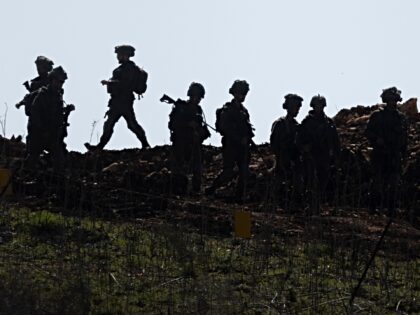
Israel’s refusal to pull back from southern Lebanon, even as Washington folds the country into a U.S.-Iran framework, is the latest reminder that peace deals hammered out in conference rooms rarely survive contact with the ground. Defense Minister Katz’s blunt statement signals that Jerusalem sees Hezbollah’s rearmament—much of it funneled through Iranian supply lines—as an existential threat that no paper promise can neutralize. For American gun owners watching the same administration tout “peace through strength” abroad while floating fresh restrictions at home, the disconnect is glaring: the same logic that justifies an armed nation-state holding territory to deter rocket attacks applies to private citizens who keep rifles to deter home invasions.
The deeper story is how disarmament rhetoric travels. Iran’s proxies have spent years converting civilian neighborhoods into launch pads; when those neighborhoods sit just miles from Israel’s border, the Israeli public demands a buffer zone the same way U.S. communities demand constitutional carry after spikes in smash-and-grab crime. Both situations expose the futility of expecting an adversary to honor “good-faith” agreements while the other side is stripped of defensive tools. The 2A community has watched this movie before—post-9/11 assurances that certain rights would be restored “once the emergency passes,” only for new rules to calcify into permanent policy.
What happens next will test whether the Trump administration treats the Second Amendment as seriously as it treats Israeli security. If the White House pressures Jerusalem to stand its ground while simultaneously eyeing import bans or pistol-brace rules, gun owners will have fresh evidence that foreign-policy hawks and domestic-control advocates often share the same bureaucratic address. The takeaway is simple: rights that depend on the goodwill of distant capitals are not rights at all—they’re privileges that can be renegotiated the moment the headlines change.


