

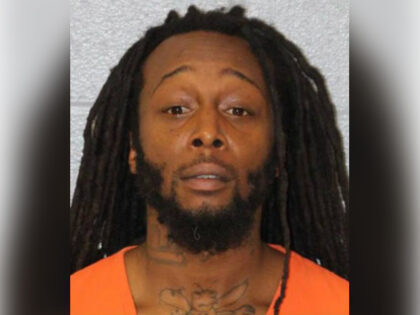
Decarlos Brown Jr.’s courtroom meltdown—screaming about “material in his body” and leveling accusations at the FBI—lays bare the chaotic underbelly of a justice system that too often treats violent predators with kid gloves until it’s far too late. The Ukrainian refugee Iryna Zarutska was allegedly cut down on a Charlotte light rail by a man whose record should have triggered every red flag in the book, yet the same institutions quick to disarm law-abiding citizens appear strangely reluctant to keep career criminals off the streets. For the 2A community this isn’t just another tragic headline; it’s a textbook illustration of why relying on government to protect you is a losing bet when the same government simultaneously works to restrict the tools citizens need for self-defense.
The deeper implication is that “shall not be infringed” exists precisely because the state’s monopoly on force is neither competent nor impartial. When a defendant can hijack federal proceedings with conspiracy-laden outbursts while the underlying crime involved a defenseless victim on public transit, it underscores how paper restrictions on carry permits or magazine capacity do nothing to deter someone already willing to ignore every law against murder. Lawful gun owners, by contrast, represent the last line of deterrence in spaces where police response times stretch into minutes and metal detectors are absent. Brown’s case is a grim reminder that the right to keep and bear arms isn’t an abstract theory—it’s the practical counterweight to a system that repeatedly fails to neutralize threats before they strike again.
Ultimately, stories like Zarutska’s fuel the argument that shall-issue carry, constitutional carry, and the broader ecosystem of armed citizens are not luxuries but necessities in an era of revolving-door prosecution and selective enforcement. The 2A community doesn’t celebrate tragedy; it recognizes patterns. When the accused can weaponize the courtroom while the victim had no effective means of resistance, the case for an armed populace writes itself.


