

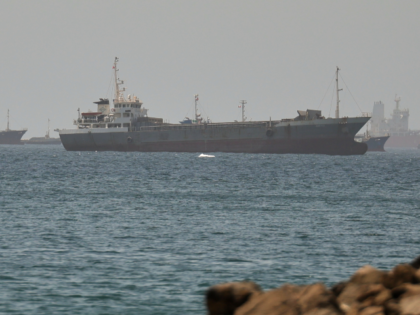
The IRGC’s strike on that Singapore-flagged tanker is a textbook reminder that the world’s most important oil artery can be shut with a single missile or boarding party, and the ripple effects reach straight into the gun safe. When energy prices spike, inflation follows, and the same politicians who lecture about “gun violence” suddenly discover fresh enthusiasm for every restriction that can be sold as “public safety.” The 2A community has watched this cycle before: every time a crisis abroad drives up the cost of living, domestic voices argue that an armed populace is an unnecessary risk rather than the last hedge against both foreign coercion and government overreach at home.
What makes this incident especially pointed is the timing. The UN’s evacuation pause shows how quickly a single state actor can turn a commercial lane into contested space, proving that deterrence still rests on credible force rather than paper promises. For Americans who value the right to keep and bear arms, the takeaway is straightforward: the same logic that justifies a capable navy to keep Hormuz open justifies an armed citizenry capable of securing communities when institutions falter. History is unambiguous—regimes that disarm their populations first rarely stop at external threats.
The larger implication is that energy security and individual liberty travel together. A nation that cannot guarantee its own fuel supply will eventually ration more than gasoline; it will ration rights. Keeping the Second Amendment robust is therefore not an ancillary hobby but a structural safeguard against the day when global chokepoints are no longer patrolled by someone else’s navy and the only reliable security is the one citizens retain for themselves.


